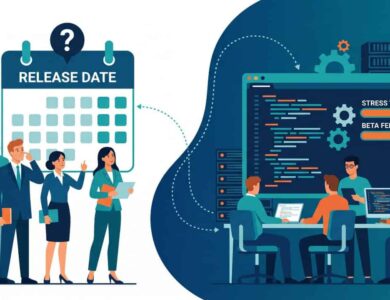
What Is TaskUs TimeWarp?
TaskUs TimeWarp appears to be an internal work-management and time-tracking system connected with TaskUs, a company known for digital outsourcing, customer experience, AI operations, trust and safety, and business process services. Public access to the platform is limited, which makes sense because systems like this usually contain employee schedules, work records, attendance details, and operational data.
The publicly visible Time Warp page shows a secure sign-in screen that uses PingID authentication. It also mentions that Time Warp concerns should be handled through SNOW, which suggests the tool is meant for internal employee support rather than general public use.
In simple words, TaskUs TimeWarp is best understood as an internal employee platform, not a public app that anyone can sign up for. It likely helps TaskUs teams manage work time, schedules, tasks, and performance-related workflows in a more organized way.
Why TaskUs TimeWarp Matters in a Company Like TaskUs
TaskUs TimeWarp operates in a fast-moving outsourcing environment where teams may work across different countries, time zones, clients, and support channels. The company describes itself as combining intelligent automation with specialized talent to deliver digital services, customer support, safety operations, AI services, and growth-focused solutions.
In that kind of setup, manual tracking can quickly become messy. Employees need to know when they are scheduled, managers need visibility into team activity, and the company needs accurate data for attendance, performance, staffing, and compliance. A centralized system can make those moving parts easier to control.
That is where a platform like TimeWarp becomes useful. Instead of depending on scattered spreadsheets, messages, and manual updates, teams can use one structured system to handle time-related work activities. This improves clarity for employees and gives managers a better operational view.
How TaskUs TimeWarp May Help Employees

For employees, the biggest benefit of a system like TaskUs TimeWarp is clarity. Workers need quick access to their schedules, attendance status, shift information, and task expectations. When this information is available in one place, employees spend less time guessing and more time focusing on their actual work.
Third-party descriptions of TimeWarp say it works like a dashboard where TaskUs employees can track clock-in and clock-out times, assigned tasks, daily progress, and performance-related information. These details are not fully confirmed through public TaskUs documentation, but they match the general purpose of internal workforce management tools.
This matters because confusion creates stress. If an employee does not know whether a schedule was updated, whether attendance was recorded, or whether a task was assigned correctly, small issues can grow into bigger problems. A clear system helps reduce that friction.
How TaskUs TimeWarp May Help Managers and Team Leaders
TaskUs TimeWarp in BPO and customer support environments deal with constant pressure. They need to track attendance, monitor productivity, maintain service quality, and make sure staffing matches client demand. Doing that manually is slow and risky.
A tool like TaskUs TimeWarp can support managers by giving them real-time or near-real-time visibility into team activity. That could include attendance records, schedule adherence, work progress, and performance indicators. When managers can see what is happening clearly, they can fix problems faster.
It also helps with fairness. Clear records reduce misunderstandings around schedules, late logins, missed shifts, or task completion. When the system keeps consistent data, both employees and leaders can rely on the same information instead of arguing over scattered notes or memory.
Key Features People Commonly Associate With TaskUs TimeWarp
The most commonly discussed feature is time tracking. This TaskUs TimeWarp include clocking in, clocking out, checking schedules, and recording work activity. For a large outsourcing company, accurate time data is important because it affects staffing, payroll, client reporting, and workforce planning.
Another likely feature is task visibility. Employees may be able to see assigned work, while managers may be able to monitor progress. Third-party sources also describe TimeWarp as a system for tracking schedules, employee work, tasks, and performance inside TaskUs.
Performance tracking is another important area. In customer support and digital operations, teams are often measured through quality, productivity, attendance, and service-level metrics. A connected dashboard can help leaders spot trends, support struggling employees, and improve team output without relying only on manual reports.
TaskUs TimeWarp and BPO Workforce Management
The BPO industry depends heavily on timing, accuracy, and consistency. When support teams serve global clients, even a small scheduling issue can affect response time, customer satisfaction, and service-level agreements. That is why workforce management tools are so important in this space.
TechPluto describes Timewarp TaskUs as part of a broader shift toward automation, analytics, scalable workforce operations, real-time visibility, and reduced manual effort in BPO environments. It highlights areas like automated scheduling, workforce allocation, demand forecasting, performance metrics, and compliance readiness.
This is the expert way to look at it: TimeWarp is not just about “checking attendance.” In a company like TaskUs, it may support the bigger engine behind workforce planning, client delivery, operational control, and employee accountability.
Login, Access, and Security
The public Time Warp page is not a normal open registration page. It asks users to sign in through PingID, which is commonly used for secure authentication. That means access is likely restricted to authorized TaskUs users only.
This is important because workforce systems usually contain sensitive data. They may include employee identity details, schedules, login times, work activity, and performance information. A secure login process helps protect that data from unauthorized access.
So, if someone searches for TimeWarp because they want to create an account, the answer is simple: it is not designed like a public productivity app. It appears to be an internal platform, so only approved employees or managers should expect access.
Common Problems Users May Face
Like any internal work system, users may sometimes face login problems. These can happen because of incorrect credentials, authentication issues, expired access, browser problems, or company-side system errors. Since the Time Warp page itself points users toward SNOW for concerns, internal support is the proper route.
Another common issue could be schedule or attendance mismatch. For example, an employee may believe they clocked in correctly, but the system may not show it. In that case, the safest step is to report the issue quickly with screenshots or exact timing details.
Users may also experience slow loading, browser compatibility issues, or session timeouts. Basic troubleshooting can help, such as refreshing the browser, clearing cache, checking internet stability, and using the recommended company device or browser. Still, employees should always follow official TaskUs IT guidance first.
Benefits of Using a Centralized Work System
A centralized work system saves time because employees do not need to chase information from different places. Schedules, attendance, and work updates become easier to find. That improves the daily experience, especially for people working in fast-paced support roles.
It also improves management accuracy. Team leaders can make better decisions when they have reliable data. They can see who is available, where delays are happening, and which teams may need extra support.
Most importantly, it supports scale. TaskUs says it operates across 13 countries with more than 30 languages spoken. At that level, a company cannot rely on informal tracking. It needs structured systems that keep operations consistent across locations.
Is TaskUs TimeWarp an AI Tool?
Some online articles describe TimeWarp as an AI-powered productivity or workforce management platform. However, the publicly visible official Time Warp login page does not explain its features in detail. Because of that, it would not be accurate to claim every AI-related feature as confirmed.
What can be said safely is that TaskUs, as a company, publicly emphasizes intelligent automation, smarter technology, and digital operations. Its official website says it uses intelligent technology to transform operations and create capacity for people to deliver better services.
So, TimeWarp may be part of a modern digital workforce environment, but any specific claim about AI features should be treated carefully unless confirmed by official TaskUs documentation.
Final Thoughts
TaskUs TimeWarp is best understood as an internal workforce and time-management system connected with TaskUs employees and managers. It is not a public tool, and access appears to be protected through secure authentication.
Its main value likely comes from helping teams manage schedules, attendance, tasks, visibility, and performance in a structured way. In a large outsourcing company, that kind of system can reduce confusion, improve accountability, and support smoother daily operations.
Also Read: Sandra Porzio